The Mogu, an ancient race in the lore of World of Warcraft, are known for their mastery of flesh-shaping, a dark and powerful form of magic. This ability allowed them to create the Terracotta Warriors, formidable constructs that served as both guardians and soldiers. Understanding the Mogu’s history and their flesh-shaping techniques reveals the intricate connection between their culture and the creation of these iconic figures in Pandaria.
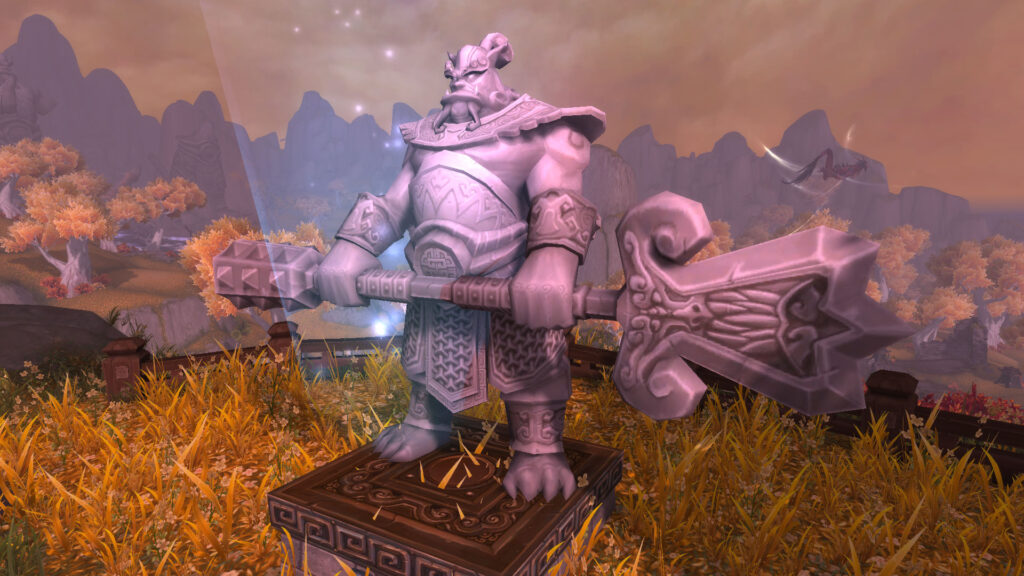
What are the Mogu and their significance in Pandaria’s history?
The Mogu are a powerful, ancient race known for their mastery of flesh-shaping, significantly impacting the history and culture of Pandaria.
The Mogu were once the dominant race in Pandaria, ruling with an iron fist and utilizing their flesh-shaping abilities to create powerful constructs and manipulate living beings. Their society was built on a strict hierarchy, with the most powerful Mogu serving as leaders and enforcers of their will. This dominance led to the creation of the Terracotta Warriors, who were designed to protect their realm and serve as instruments of war. The Mogu’s influence can still be felt in modern-day Pandaria, as their remnants and constructs continue to pose threats to adventurers and inhabitants alike.
The Mogu’s flesh-shaping abilities are not merely a form of magic; they represent a deep understanding of anatomy and a twisted sense of artistry. By manipulating the very essence of life, the Mogu could create beings that were both powerful and terrifying. This mastery allowed them to craft the Terracotta Warriors, who were imbued with the strength of their creators and the will to serve. The legacy of the Mogu is a cautionary tale of power and ambition, showcasing the potential for corruption inherent in such abilities.
In the context of Pandaria’s lore, the Mogu’s actions led to significant events, including the rise of the Sha, manifestations of negative emotions that arose from their tyranny. The Terracotta Warriors, while initially created for protection, became symbols of the Mogu’s oppressive reign. Understanding the Mogu’s history is crucial for grasping the broader narrative of Pandaria and the ongoing struggles faced by its inhabitants.
How did the Mogu utilize flesh-shaping to create the Terracotta Warriors?
The Mogu employed advanced flesh-shaping techniques to craft the Terracotta Warriors, combining magic and anatomical knowledge to create formidable constructs.
The process of flesh-shaping involved manipulating the physical form of beings, allowing the Mogu to create life-like constructs from clay and other materials. This technique required not only magical prowess but also a deep understanding of biology and anatomy. The Mogu would infuse these constructs with their own essence, granting them strength and resilience. The Terracotta Warriors were designed to be nearly indestructible, capable of withstanding immense damage while serving their creators without question.
To create a Terracotta Warrior, the Mogu would start with a core structure made from clay, which they would then shape and mold using their flesh-shaping abilities. This process included imbuing the constructs with magical properties that allowed them to animate and respond to commands. The warriors were often adorned with intricate designs and weaponry, reflecting the Mogu’s artistic sensibilities and their desire to create not just functional, but also aesthetically pleasing constructs. The end result was a legion of warriors that embodied the Mogu’s might and their twisted vision of power.
Moreover, the Mogu’s flesh-shaping was not limited to just the Terracotta Warriors; they also used these techniques to create other constructs and even manipulate living beings. This versatility made them a formidable force in Pandaria, as they could adapt and evolve their creations to meet the demands of war and control. The legacy of this dark art continues to influence the world of Warcraft, as remnants of Mogu creations can still be found throughout Pandaria.
- Understand the core anatomy: The Mogu studied anatomy extensively to ensure their constructs were both functional and durable.
- Infuse with essence: They would infuse the constructs with their own magical essence to grant them life and obedience.
- Design for combat: The Terracotta Warriors were equipped with weapons and armor, enhancing their combat capabilities.
- Adapt and evolve: The Mogu continuously refined their techniques, allowing for the creation of diverse constructs tailored to various challenges.
What are the key characteristics of the Terracotta Warriors?
The Terracotta Warriors are known for their resilience, combat prowess, and intricate designs, making them formidable opponents in battle.
The Terracotta Warriors are characterized by their robust construction and magical properties, which grant them exceptional durability and strength. Each warrior is crafted from clay and imbued with Mogu magic, allowing them to withstand significant damage while remaining operational. Their design often features ornate details, showcasing the Mogu’s artistic flair and cultural significance. This combination of strength and beauty makes the Terracotta Warriors not only effective in combat but also a symbol of the Mogu’s power.
In battle, the Terracotta Warriors exhibit remarkable coordination and tactical awareness, often operating as a unit to overwhelm their foes. They are equipped with various weapons, including swords, spears, and shields, allowing them to adapt to different combat scenarios. The warriors’ resilience is further enhanced by their ability to regenerate over time, making them challenging adversaries for even the most skilled adventurers. Understanding these characteristics is crucial for players seeking to engage with the Mogu’s creations effectively.
The following table summarizes the key attributes of the Terracotta Warriors, highlighting their strengths and weaknesses in combat scenarios:
| Attribute | Value | Strength | Weakness |
|---|---|---|---|
| Durability | High | Can withstand heavy damage | Vulnerable to magic attacks |
| Combat Skill | Moderate | Effective in melee combat | Limited ranged capabilities |
| Regeneration | Slow | Can recover health over time | Requires time to regenerate |
What are the implications of the Mogu’s flesh-shaping on modern Pandaria?
The Mogu’s flesh-shaping has left a lasting impact on modern Pandaria, influencing both its inhabitants and the ongoing conflicts.
The legacy of the Mogu’s flesh-shaping practices continues to resonate throughout Pandaria, manifesting in various ways. The remnants of their constructs, including the Terracotta Warriors, serve as constant reminders of their once-mighty empire. These constructs often awaken and pose threats to adventurers, showcasing the Mogu’s enduring influence. Additionally, the techniques and knowledge surrounding flesh-shaping have not been entirely lost; some factions seek to harness this dark art for their purposes, leading to new conflicts and challenges.
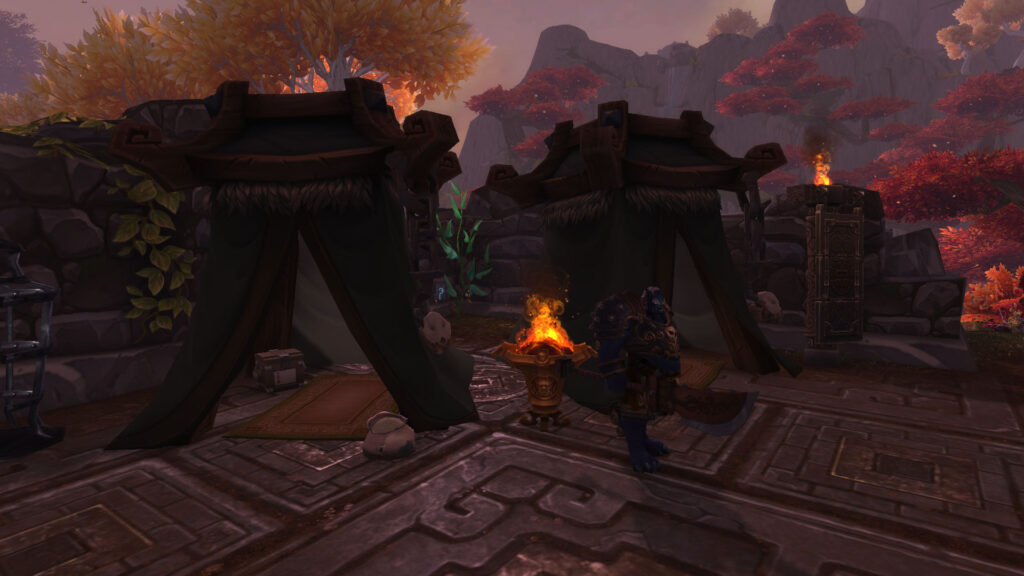
Moreover, the Mogu’s actions contributed to the rise of the Sha, manifestations of negative emotions that arose from their tyranny. This connection highlights the broader implications of the Mogu’s flesh-shaping, as their pursuit of power led to the corruption of the land and its inhabitants. The ongoing struggle against the Sha and the remnants of Mogu constructs reflects the complex interplay between history and present-day challenges in Pandaria.
Understanding the implications of the Mogu’s legacy is essential for players engaging with the lore of World of Warcraft. The ongoing conflicts and the presence of Mogu constructs serve as a backdrop for many quests and adventures, providing rich narratives and challenges for players to explore.
How can players effectively engage with the Mogu and their constructs?
Players can effectively engage with the Mogu and their constructs by understanding their mechanics, weaknesses, and strategies for combat.
To successfully navigate encounters with the Mogu and their Terracotta Warriors, players should familiarize themselves with the constructs’ combat mechanics and weaknesses. Understanding that these warriors are vulnerable to magic attacks can provide a significant advantage in battle. Players should consider forming groups with diverse classes to maximize their effectiveness against these constructs, utilizing both physical and magical abilities to exploit their weaknesses.
Additionally, players should be aware of the environmental factors that can influence combat with the Mogu. Certain areas may provide advantages or disadvantages, such as terrain that can hinder movement or magical anomalies that can enhance or weaken abilities. By adapting their strategies to the specific context of each encounter, players can increase their chances of success against the Mogu and their creations.
Furthermore, players should engage with the lore surrounding the Mogu to gain insights into their motivations and tactics. Understanding the historical context of the Mogu’s actions can provide valuable clues for navigating their territories and anticipating their strategies. This knowledge can enhance the overall gameplay experience, allowing players to immerse themselves in the rich narrative of Pandaria.
What are the best practices for exploring Mogu territories in Pandaria?
Best practices for exploring Mogu territories include preparation, strategic engagement, and leveraging lore knowledge for successful navigation.
When exploring Mogu territories, players should prioritize preparation to ensure they are equipped for the challenges ahead. This includes gathering appropriate gear, consumables, and understanding the specific abilities of their character class. Players should also consider forming groups to tackle tougher encounters, as the Mogu constructs can be formidable opponents. Coordination and communication within the group can significantly enhance the chances of success.
Strategic engagement is crucial when dealing with Mogu constructs. Players should utilize hit-and-run tactics, focusing on exploiting the constructs’ weaknesses while avoiding direct confrontation whenever possible. Understanding the mechanics of the Terracotta Warriors, such as their attack patterns and vulnerabilities, can provide players with the upper hand in combat. Additionally, players should remain vigilant for environmental hazards that may affect their performance during encounters.
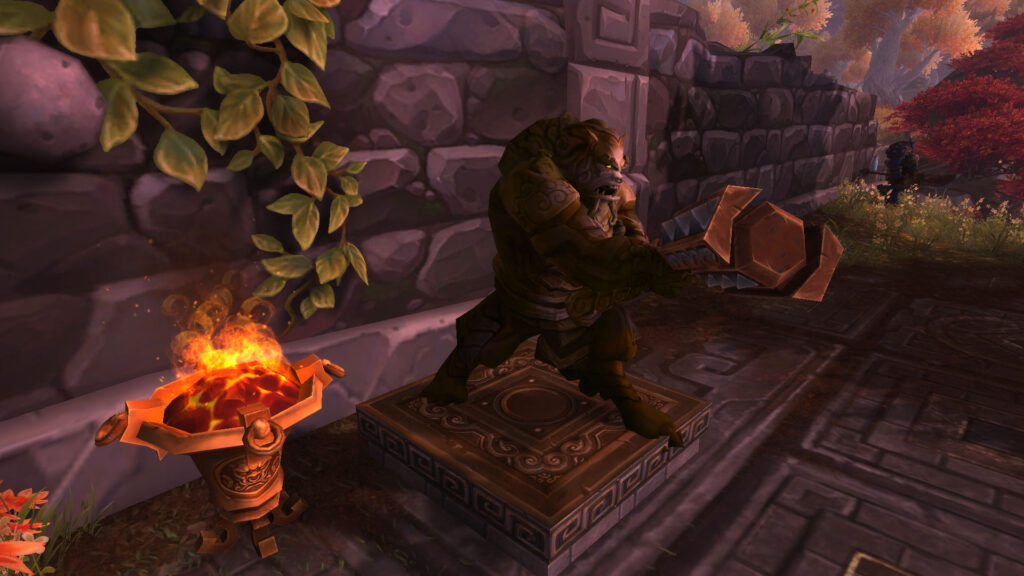
Lastly, leveraging lore knowledge can enhance the exploration experience. Familiarizing oneself with the history and significance of the Mogu can provide context for the encounters and enrich the narrative. Engaging with NPCs and completing quests related to the Mogu can also yield valuable rewards and insights, making the exploration of Mogu territories a rewarding endeavor.
Frequently Asked Questions
What are the origins of the Mogu race?
The Mogu originated from the Titans’ experiments in Pandaria, where they were created to serve as guardians. Over time, they developed their own culture and mastery of flesh-shaping, leading to their rise as a dominant force in the region.
How do the Terracotta Warriors differ from other constructs?
Terracotta Warriors are unique due to their combination of clay construction and Mogu magic, granting them exceptional durability and combat capabilities. Unlike other constructs, they are specifically designed for warfare and protection, making them formidable opponents.
Can players learn flesh-shaping techniques in-game?
While players cannot learn flesh-shaping techniques directly, they can engage with the lore and history of the Mogu through quests and interactions. This knowledge can enhance gameplay and provide insights into the Mogu’s practices.